How do you know if an eco-friendly tour is all that friendly to the environment?
With overcrowded beaches, large resort hotels and tourist-packed cities losing their allure many passionate travelers are looking to experience a more exotic adventure. Ecotourism is a type of tourism geared to exhibit areas of natural or ecological interest and this adventure-style vacation is growing ever more popular for outdoorsy travelers.
In places that may seem a bit off the beaten track, the avid traveler is finding a whole new way to explore because of the increase of ecotourism opportunities. Around the globe ecotourism is becoming a booming industry, bringing in wealth and tourism for less developed countries, and gaining popularity in more modernized countries as well.
What is ecotourism?
Having activities designed to showcase an area’s pristine beauty, countries stand to make more of a profit by leading nature-focused tours and preserving the environment than by developing the land for business. By allowing the local population to make a profit through sharing their natural world, ecotourism is often championed as the answer and alternative to making an income through the destruction of the environment by industrialization.

Unfortunately, in many circumstances ecotourism is not all that it appears to be and can often be nothing less than the complete exploitation of an indigenous people and a detriment to the environment. This brings the wary, responsible traveler to the question: How do I know if I am supporting a positive form of ecotourism?
How to choose
While it can be difficult to determine what sort of activities are positive forms of ecotourism, keep in mind that the extra effort to ensure you chose an a eco-friendly company goes a long way. Prior research on the companies leading the activities you wish to take part in can be very helpful in making sure you pick a responsible form of ecotourism. According to The Ecotourism Society, a true ecotourism company is, “responsible for travel to natural areas which conserves the environment and improves the welfare of the local people.”
However with so many different tours and companies for every type of ecotourism activity, it sometimes can be difficult to make a proper choice. Nevertheless, whether you are looking to hike through the rainforest in Costa Rica, snorkel off Bali, or even dive with Great Whites in South Africa there are a few helpful ways to know you are going with a company or tour group that cares as much about the environment as it does turning a profit. Keep in mind just because you are on a guided hike though the rainforest doesn’t mean it is ecotourism unless it somehow benefits the environment and the local people who live there. The same rule applies with a snorkeling trip, or shark-diving adventure. It is only ecotourism if it raises awareness and finances the further protection of the area and wildlife you are experiencing.
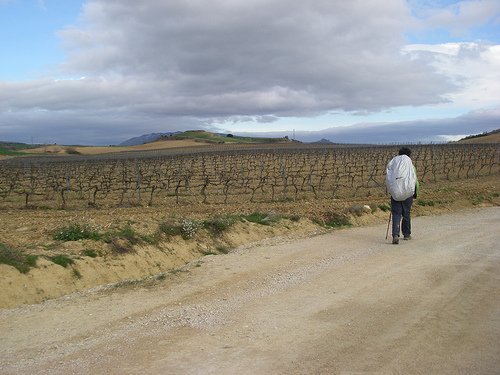
Making certain to only support companies that have an educational purpose and avoid others that care only to entertain and make a profit is a good general guideline to follow. Tours designed to teach the visitors about the environment and why it is so essential to be protected is the key differences between ecotourism and an “adventure” tour. Without supervision and instruction by licensed tour guides, tours that bring in large groups of tourists who do not properly understand their own impact can be very detrimental to the environment and indigenous people.
A responsible traveler should make the best effort to find tours and activities that are certified as legitimate ecotourism companies. In many countries it doesn’t cost any more to advertise as “ecotourism” but it typically does cost a little more to be officially certified. An ecotourism certification may increase the price of a company’s tours, but at the same time the company has extra costs they must cover to ensure they are practicing truly eco-friendly policies. Often travelers find themselves on a tight budget, however it is worth it to pay a little more to guarantee it is truly ecotourism and that you are not harming the environment or the local population.
Ask
In some cases there are some great organizations that are not certified, however they are typically practicing all the principles of proper ecotourism and have yet to receive certification. A helpful hint to make sure you are choosing correctly is to shop around and pick the company you feel comfortable supporting. There is nothing wrong with asking questions to an ecotourism company prior to agreeing to support them. Find out key pieces of information such as:
- Does the company respect and benefit the local people and provide decent employment and income to the local employees?
- Does the company focus on minimizing their impact on the environment to the best of their ability?
- Does the company keep group sizes small in order to better monitor and make sure as little impact as possible results from the tour?
Asking yourself and the ecotourism companies questions like these can help ensure you have an eco-friendly adventure and a much more enjoyable experience. Ecotourism is a fantastic way to learn and enjoy the beauty of the natural world around the globe, but remember: if ecotourism is not being practiced correctly it can do more harm than good.